A Walk Through History:
Named after its beauty, Beaufort Castle, otherwise known as Qalaat Al Shqif - Arnoun, is known for its historical, geographical, and strategic
importance. Its Arabic name is derived from the Syriac term "Al Shqif," which means the towering rock. Its history is one filled with crusades, wars, and invasions, and much of its story remains unknown
to this day.
The exact date of its construction is unknown; some say that it was built by the crusaders
and that Fulk of Anjou, crusader king of Jerusalem, upon taking over it in 1139, subjected the castle
to fortification and rennovations. Other sources state that the castle was built in the Roman or Byzantine period, and utilized by Arabs,
and later by crusaders. Some sources even say it was built on Phoenician ruins
The castle is located in Nabatieh Governate in Southern Lebanon on a mighty hill. Its location was
a reason of interest in the castle as it is quite strategic. Approximately 700 meters above sea level and
overlooking the 300m deep Litani River valley, the fortress provides a clear view of Lebanon, Syria, Palestine, and even Jordan!
The castle was highly sought after for it was a perfect asset in wars, overlooking the enemy and their movements; enemies
were challenged because of the castle's thick walls, elevated terrain, and natural rock formations.
Aside from that, its close proximity to the Litani River was an extra feat; the river was used for
defense, one instance is when soldiers would pour hot oil over the water and set
it on fire to prevent enemies from coming closer!
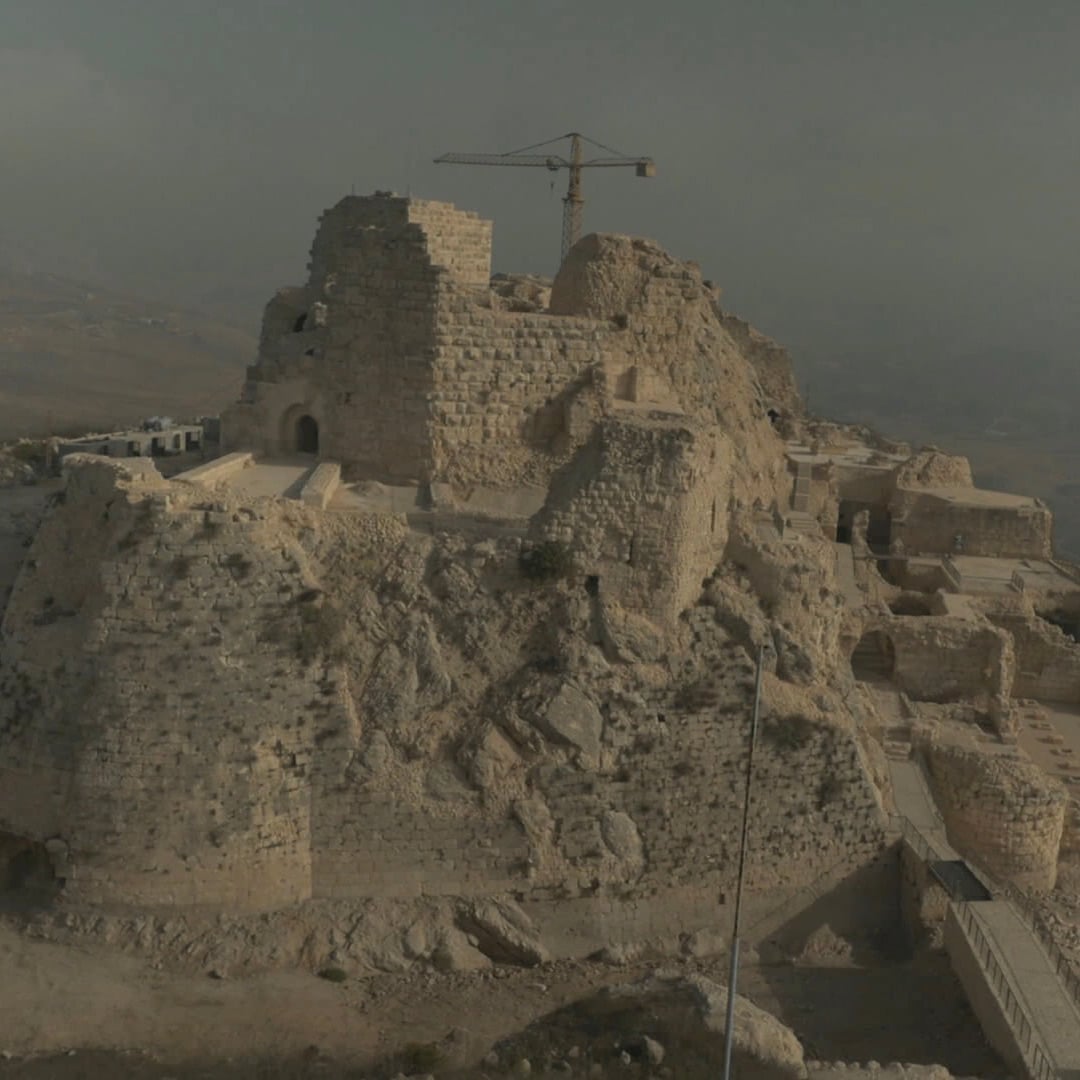
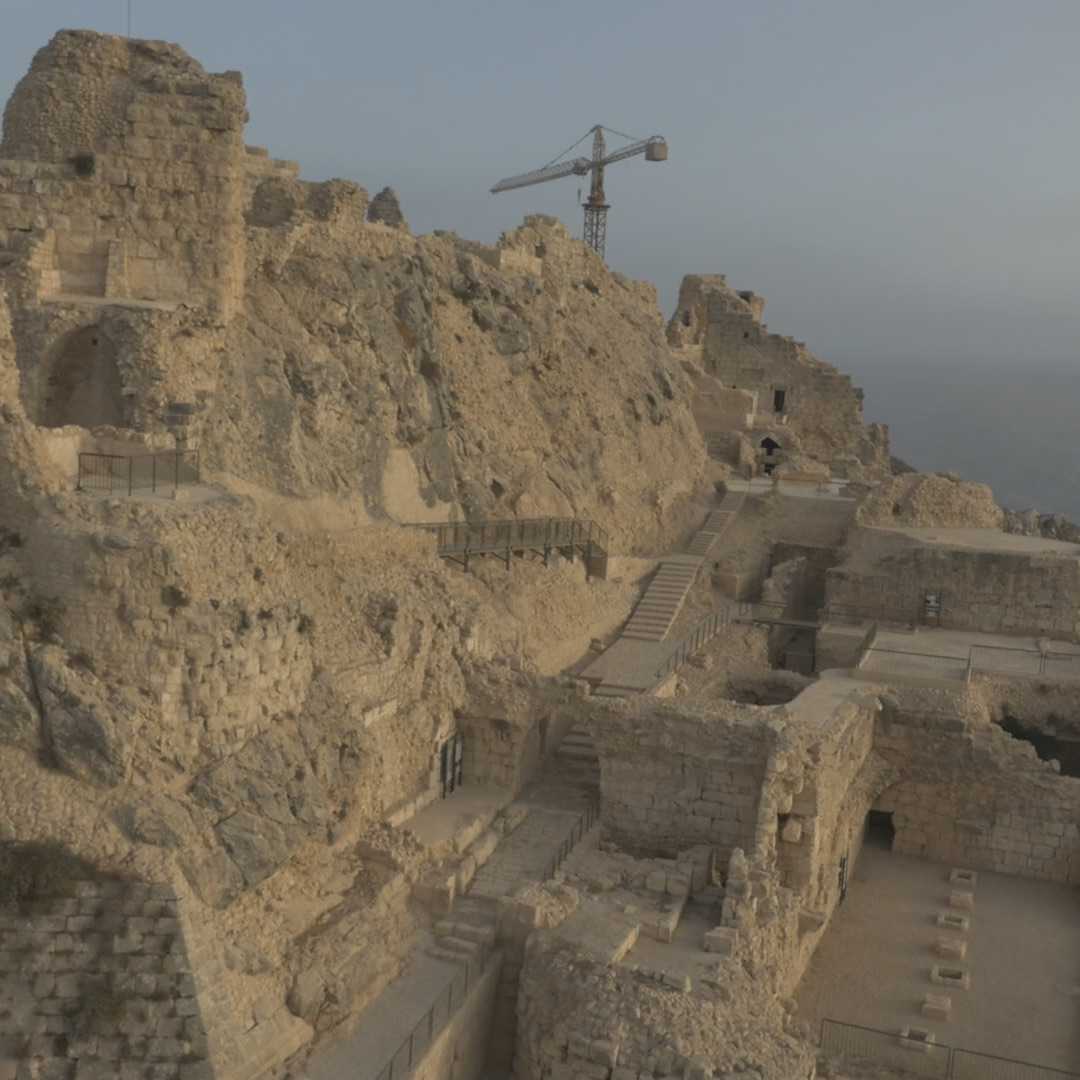
The castle's timeline is as follows:
1000-1100: Supposed construction of the castle.
1139: Fortress falling under King Fulk's control. Renovations ensue, particularly on the eastern front.
1190: Salaheddine Ibn Ayyoub enforces a siege and drives out the crusaders, conquering the castle as a result.
1201-1210: A wide reconstruction project issued by the Ayubbids.
1240: Castle given back to the Crusaders through a deal struck with Ismail, King of Damascus.
1249: Baibars, Sultan of Egypt and Al-Sham, led the Battle of Mansoura; the Mamluks gained power over the castle.
1610: Emir Fakhreddine took control of the castle along others against the Ottomans.
17th-18th century: The castle became the seat of the feudal families.
1782: Destroyed by the Wali of Acre, nicknamed “the Butcher.”
1835: Severely damaged by a major earthquake.
1930-1936: Began to be excavated, and was photographed aerally by the French during
French mandate
1982: Castle under Israeli occupation and hit by airstrikes.
2000: Castle back under Lebanese control.